-
Insurance Documentation Support in Erie, PA
Building the Roof Record an Insurance Claim Needs
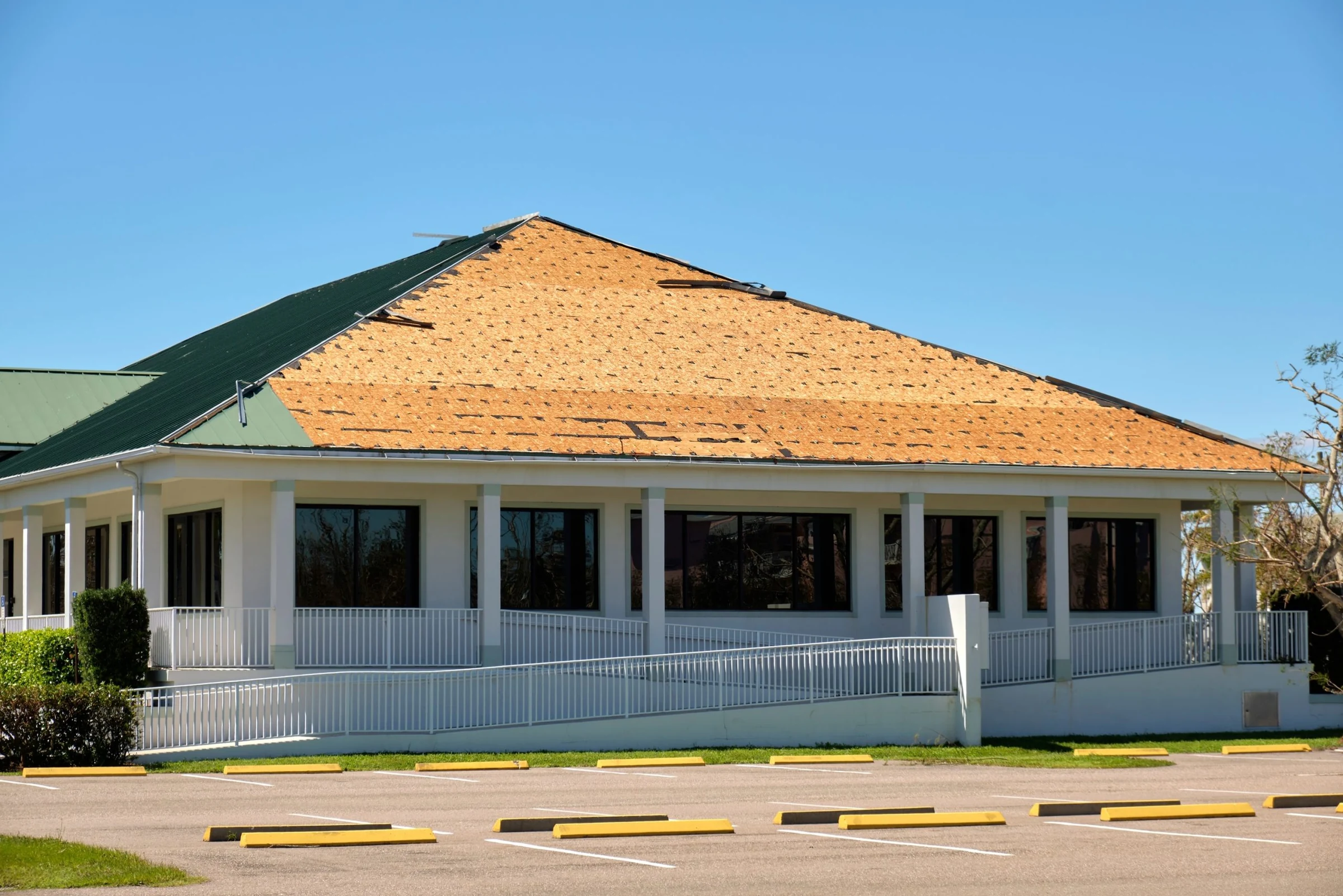
A storm claim moves faster and gets a fairer look when the roof damage is documented clearly and early. We photograph, measure, and record roof conditions after wind, snow, and hail events across Erie, giving owners the factual record their claim process requires.
What Documentation We Gather Before You File
We start with dated photos of the damage as we find it, before any tarp or temporary repair covers the evidence, along with measurements of affected areas and notes on the specific type of damage — wind tear, hail bruising, ice-related flashing failure, and so on. That record becomes the baseline for whatever claim process the owner runs with their insurer.
Where a temporary repair like an emergency tarp has to happen before full documentation is complete, we photograph the damage first and document the temporary work separately, so there's a clear record of what was original storm damage versus what was done to stabilize the building afterward.
Photographing and Measuring Damage the Way Adjusters Expect
Adjusters work through a lot of claims and respond well to documentation that's organized and specific — damage located by roof area, photographed with reference points for scale, and described in plain terms rather than vague roofing jargon. We build our reports with that in mind, because a clear record moves the process along faster than a scattered set of photos.
We also document undamaged areas of the roof for comparison, since showing what a section looks like without storm damage helps establish what the damaged sections looked like before the event.
Weather data matters alongside the roof photos. We note the date and general conditions of the storm event being claimed — wind speed if it's publicly available, hail size if reported, snow accumulation totals from the relevant window — so the damage narrative lines up with an actual documented weather event rather than relying on the photos alone to make that connection.
Separating Storm Damage from Age and Wear on the Report
Not every roof problem we find during a storm-related visit is actually storm damage. A membrane that was already brittle from age, a seam that was already lifting before the wind event, or a drain that was already partially blocked doesn't belong in a storm damage claim, and misrepresenting it that way can hurt an owner's credibility with their insurer.
We note pre-existing conditions separately from storm-caused damage in our reports. That honesty matters more than it might seem — a documentation record that holds up to scrutiny is worth more than one that inflates the claim and gets challenged later.
Working Timelines: Emergency Mitigation Records vs Permanent Repair Estimates
Most insurance processes distinguish between emergency mitigation — the tarp and dry-in work done to stop further damage — and the permanent repair or replacement scope that follows. We document both stages separately with their own photos, dates, and cost breakdowns, since insurers typically want to see that mitigation happened promptly and that the permanent repair scope is tied to the documented damage.
A complete file usually includes:
- Dated photos of damage before and after temporary stabilization
- Measurements and roof area diagrams marking damage locations
- Description of damage type and probable cause
- Photos of undamaged roof areas for condition comparison
- Emergency mitigation records including tarp materials and labor
- Permanent repair or replacement scope and cost estimate
- Prior inspection or maintenance records where available
What We Don't Do
We don't make coverage decisions, negotiate settlement amounts, or promise a claim outcome — that's between the owner and their insurance company, and any contractor who tells an owner otherwise is overstepping. Our role is providing an accurate, well-documented account of the roof's condition and the damage found.
We also don't inflate scope or attribute pre-existing wear to a storm event to make a claim look larger. A documentation record built on honest observation holds up better through the claims process than one built to maximize a payout, and it protects the owner's relationship with their insurer for the next storm too.
For owners who carry more than one commercial property, we keep documentation formatted consistently across buildings so a portfolio-wide claim after a regional storm doesn't turn into a patchwork of different report styles from different visits. That consistency also makes year-over-year comparison easier, since a roof's condition history is often as useful to an underwriter as the damage from any single event.
Where This Fits Into the Larger Claim
Documentation is one part of a commercial roof insurance claim, not the whole process. For the full picture of what a claim requires from first report to a completed scope, see our commercial roof insurance claims guide. For damage tied to a specific kind of Erie weather event, we break the documentation approach down further for snow and ice damage, wind and storm damage, and hail damage, since what an adjuster needs to see differs by peril.
Insurance Documentation Questions Owners Ask
Do you work directly with our insurance adjuster?
We can provide documentation directly to an adjuster or through the owner, whichever the claim process calls for, and we're available to answer factual questions about what we found on the roof.
How soon after a storm should we start documentation?
As soon as it's safe to access the roof. Damage evidence degrades quickly — wind and rain can scatter debris and further storms can compound damage, so early documentation gives the clearest picture.
Can you help if we already filed a claim without proper documentation?
We can document current conditions and provide our professional assessment, though the strength of that record depends on how much original evidence is still available.
Will your documentation guarantee our claim is approved?
No, and we won't tell an owner otherwise. Our documentation gives an accurate, factual record of the roof's condition; the coverage decision belongs to the insurer.
Do you charge separately for documentation, or is it part of the repair?
Documentation is typically included as part of any storm damage assessment or emergency response visit, since photographing and recording conditions is a standard part of how we approach that work anyway.
Ready to review the roof scope?