-
Commercial Roof Insurance Claims in Erie, PA
Commercial Roof Insurance Claim Assistance in Erie, PA
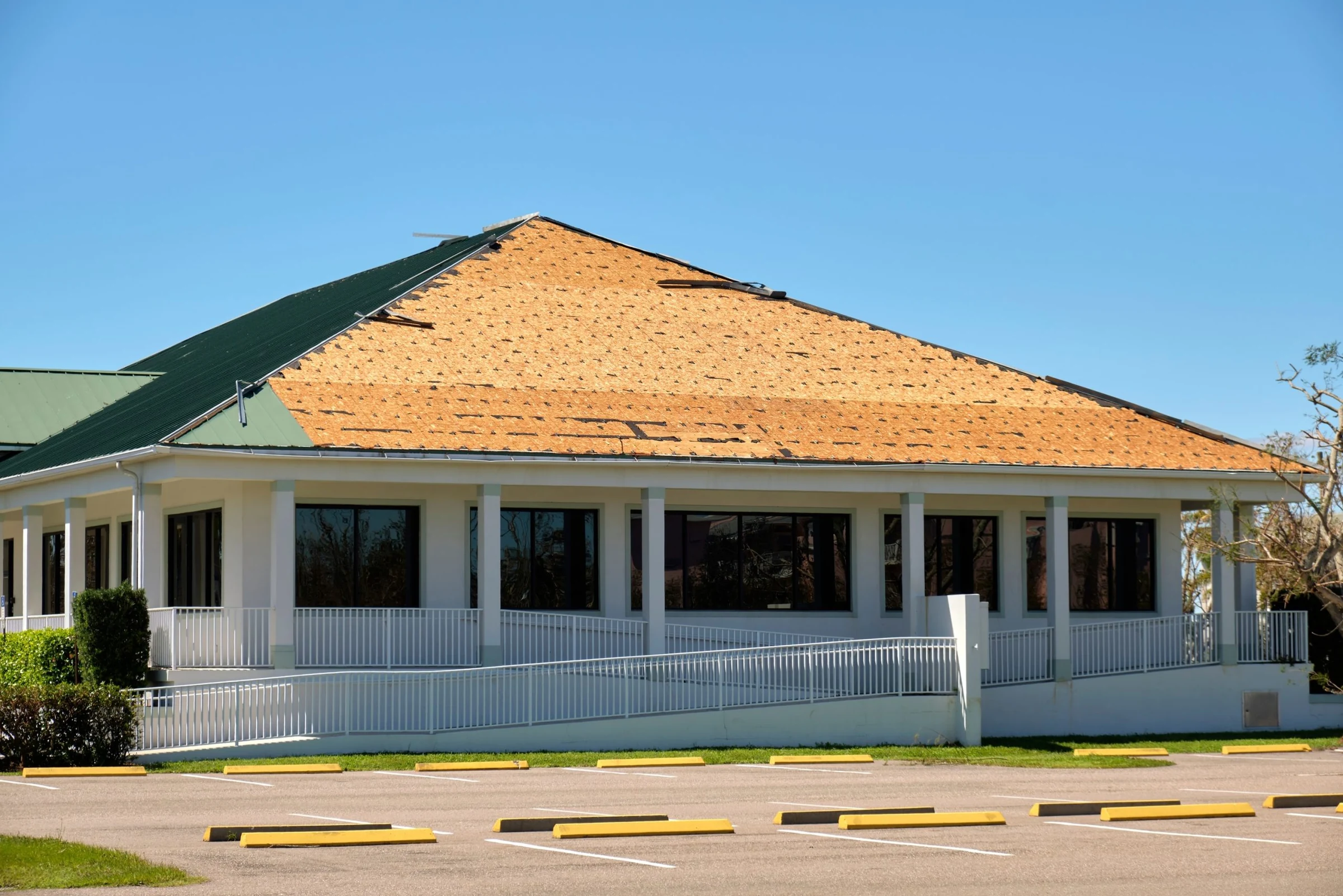
A commercial roof claim in Erie usually starts the same way: a storm off Lake Erie leaves visible damage, or a hard freeze-thaw stretch finally opens up a seam that had been failing quietly for a season. Either way, what happens in the first few days after that damage is found often decides how the claim goes from there. We inspect, document, and build the factual roof record an owner and their adjuster need — we don't file claims, negotiate settlements, or promise an outcome.
What an Erie Commercial Roof Claim Actually Requires
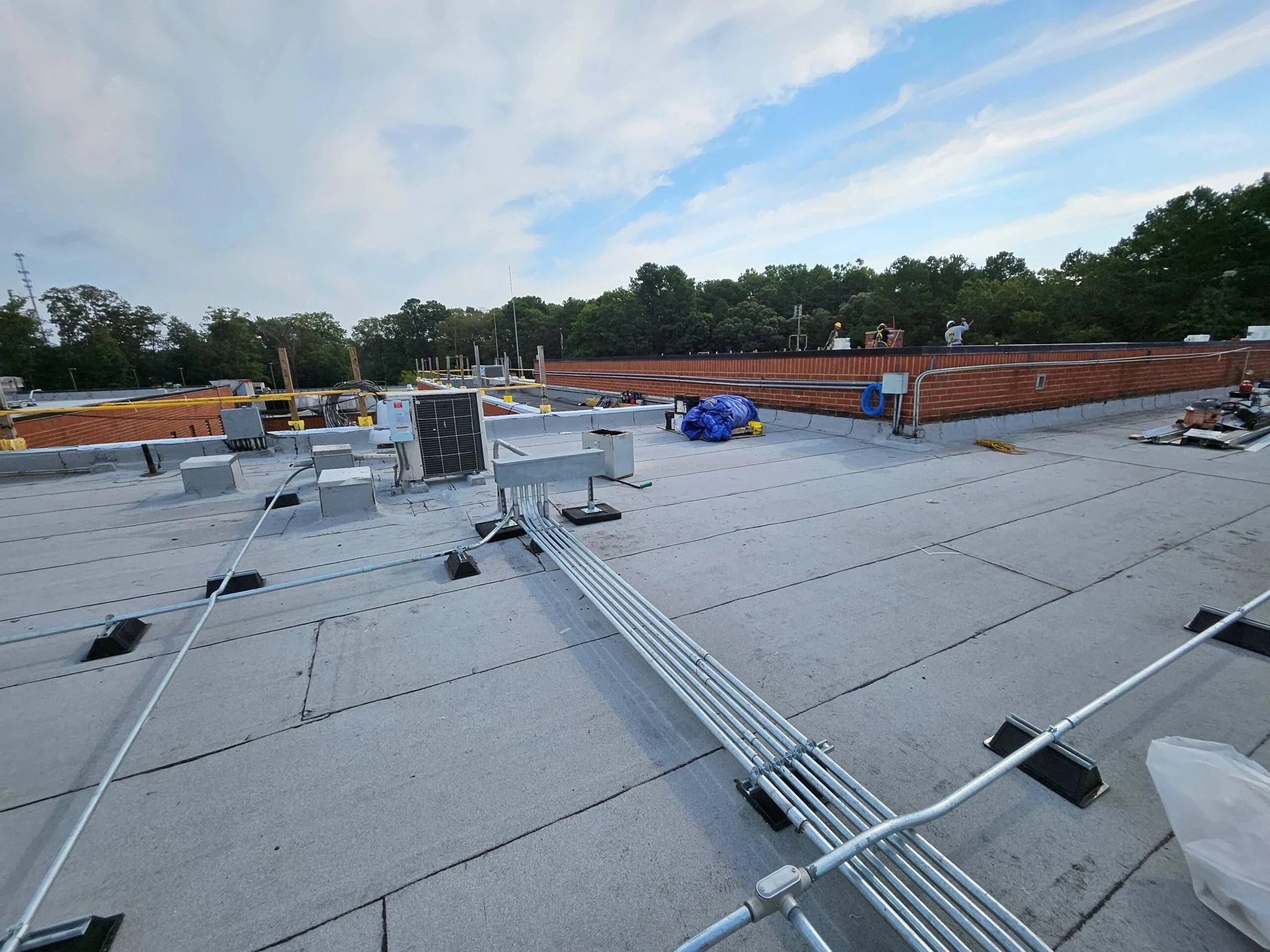
Most commercial property policies require the owner to report damage promptly, mitigate further loss, and provide the carrier with a documented account of what happened and what it will cost to fix. On the roofing side, that means dated photographs, measurements, a description of the damage type, and a repair or replacement scope tied to the actual condition of the membrane, insulation, and flashing — not a general estimate written from the ground.
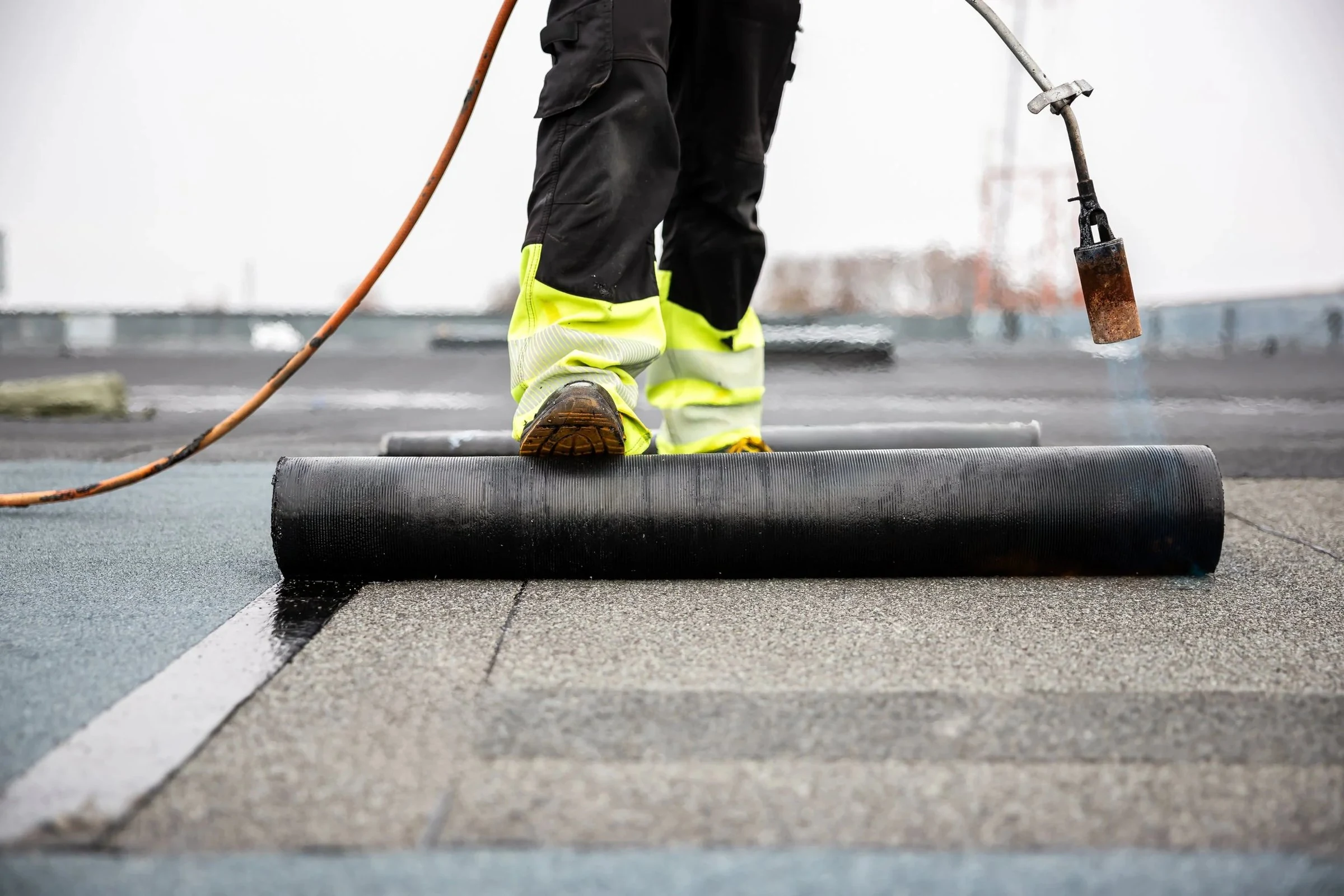
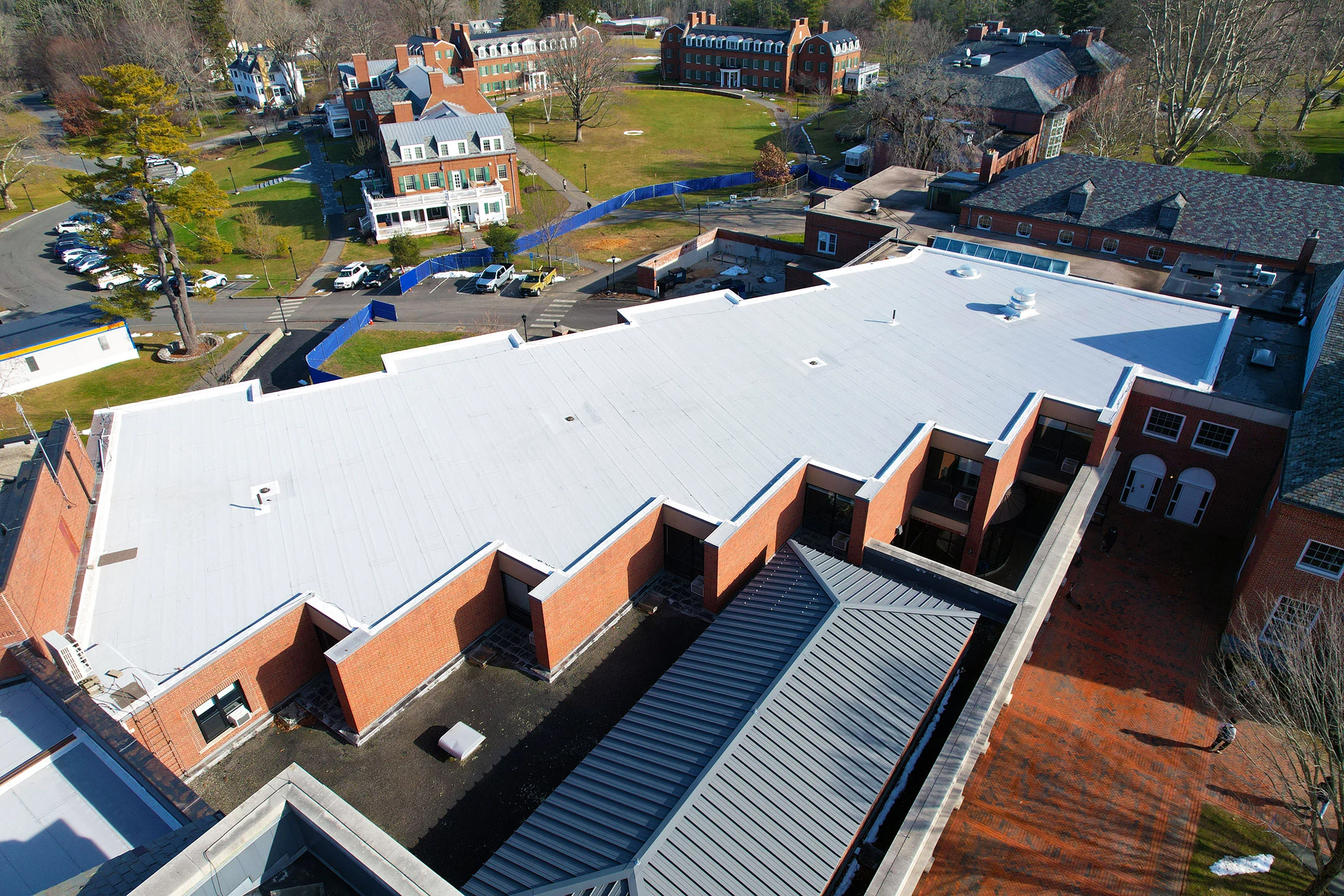
Erie's building stock adds a layer most adjusters from outside the region don't see often. A lot of the city's bayfront industrial buildings and older manufacturing plants along the plastics and rail corridor still carry built-up or modified bitumen roofing installed decades ago, and those systems age differently than a newer single-ply membrane. Knowing what a BUR or mod-bit roof looks like when it's failing from age versus failing from a specific storm event is part of what a claims-savvy roofer brings to the inspection that a general contractor might not.
Documenting Damage Before the Adjuster Arrives
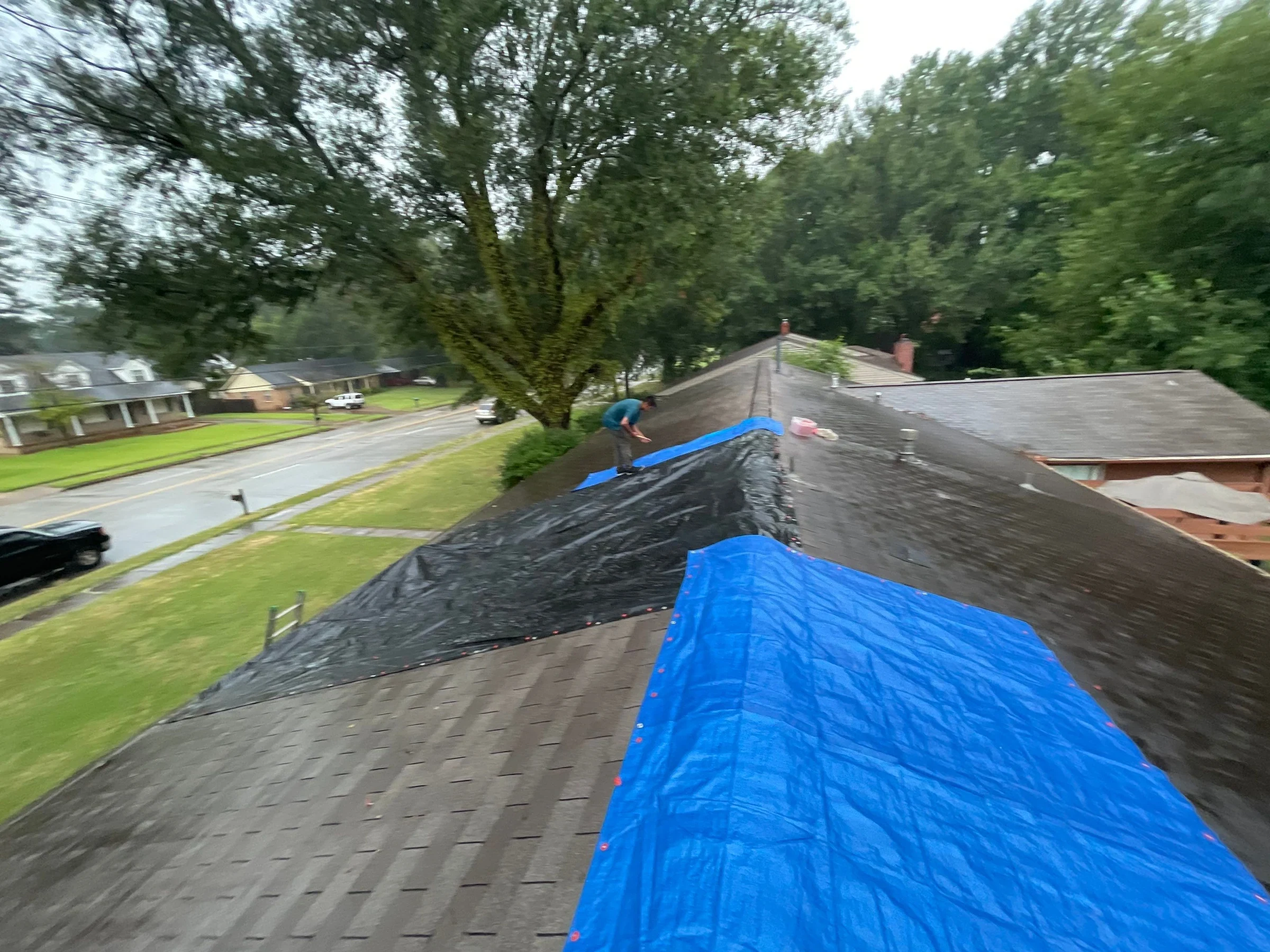
We get on the roof as soon as it's safe, before temporary repairs or weather erase the evidence. That means dated photos of the damage itself, photos of undamaged sections for comparison, measurements of affected areas, and notes on probable cause — wind uplift at a parapet, ice buildup at a drain, hail bruising on the membrane surface. Where an emergency tarp or dry-in has to happen first to stop water intrusion, we document the damage before covering it and keep the temporary work in a separate record from the original loss.
That early documentation matters more in Erie than in a lot of markets, because the region cycles through freeze and thaw often enough that damage evidence can change fast. A crack that's clean and sharp the day after a storm can look different two weeks later once meltwater and refreezing have worked at it.
Meeting the Adjuster on the Roof
We walk the roof directly with the adjuster whenever the claim process calls for it, pointing to documented damage location by location and answering factual questions about what we found and how we scoped the repair. We don't push for a particular settlement number and we don't characterize what the carrier should approve — our role on that walk is making sure the documented damage is understood correctly, not advocating a position.
Building a Complete Scope Beyond the Visible Damage
A roof scope that only covers the obvious damage often misses what a proper repair actually requires. Code and ordinance requirements can call for upgrades a like-for-like patch wouldn't include. Matching an existing membrane color or profile across a partial repair area sometimes isn't possible with current manufacturer stock, which affects the honest scope of the work. We itemize all of that in our assessment so the claim reflects the full, accurate extent of what's needed — nothing legitimate left off the scope, and nothing added that isn't tied to the actual damage.
Claims by the Type of Damage That Hit Your Roof
The documentation an adjuster expects differs by peril. See our guides to snow and ice roof damage claims, wind and storm damage claims, and hail damage claims for how we approach each. For the documentation process itself, see our insurance documentation support page.
When a Claim Comes Back Denied or Underpaid
Claims involving older roofing systems get disputed more often than newer ones, usually on the question of whether damage is storm-related or pre-existing wear. When we think a denial or a reduced scope doesn't match what we documented, we can provide a written comparison, with photos tied to each disputed line item, that the owner can bring back to their carrier or public adjuster. We stay within our role in that process — we supply the factual roofing record; the negotiation and coverage decision stay between the owner and the insurance company.
We're your roofing contractor, not a public adjuster — we document and substantiate the roof damage so you and your adjuster work from an accurate scope.
Insurance Claim Questions Erie Owners Ask
Does insurance cover commercial roof replacement?
It depends on the cause and the policy. Storm and wind damage is typically covered where documented; gradual deterioration from age usually isn't. We document the physical condition; coverage decisions belong to the carrier.
What does the claim process usually look like?
Report the damage, document conditions, mitigate further loss with temporary repairs if needed, and provide the carrier with a scope and cost estimate. An adjuster typically inspects before the carrier issues a decision.
What happens if our claim gets denied?
We can review the denial against our documentation and note where the record doesn't match the carrier's stated reasoning. From there, the owner or their public adjuster handles the dispute directly with the insurer.
Should we make repairs before the adjuster inspects the roof?
Only what's needed to stop active water intrusion or further damage. Document first wherever it's safe to, since removing or covering evidence before the adjuster sees it can complicate the claim.
Do you work on both storm damage and older roof failures?
Yes. Part of a thorough claim assessment is being honest about which damage is storm-caused and which is age-related, since the two get treated differently by most carriers.
Ready to review the roof scope?