-
K-12 School Roofing in Erie, PA
School Roofs That Have to Be Done Before the Buses Run Again
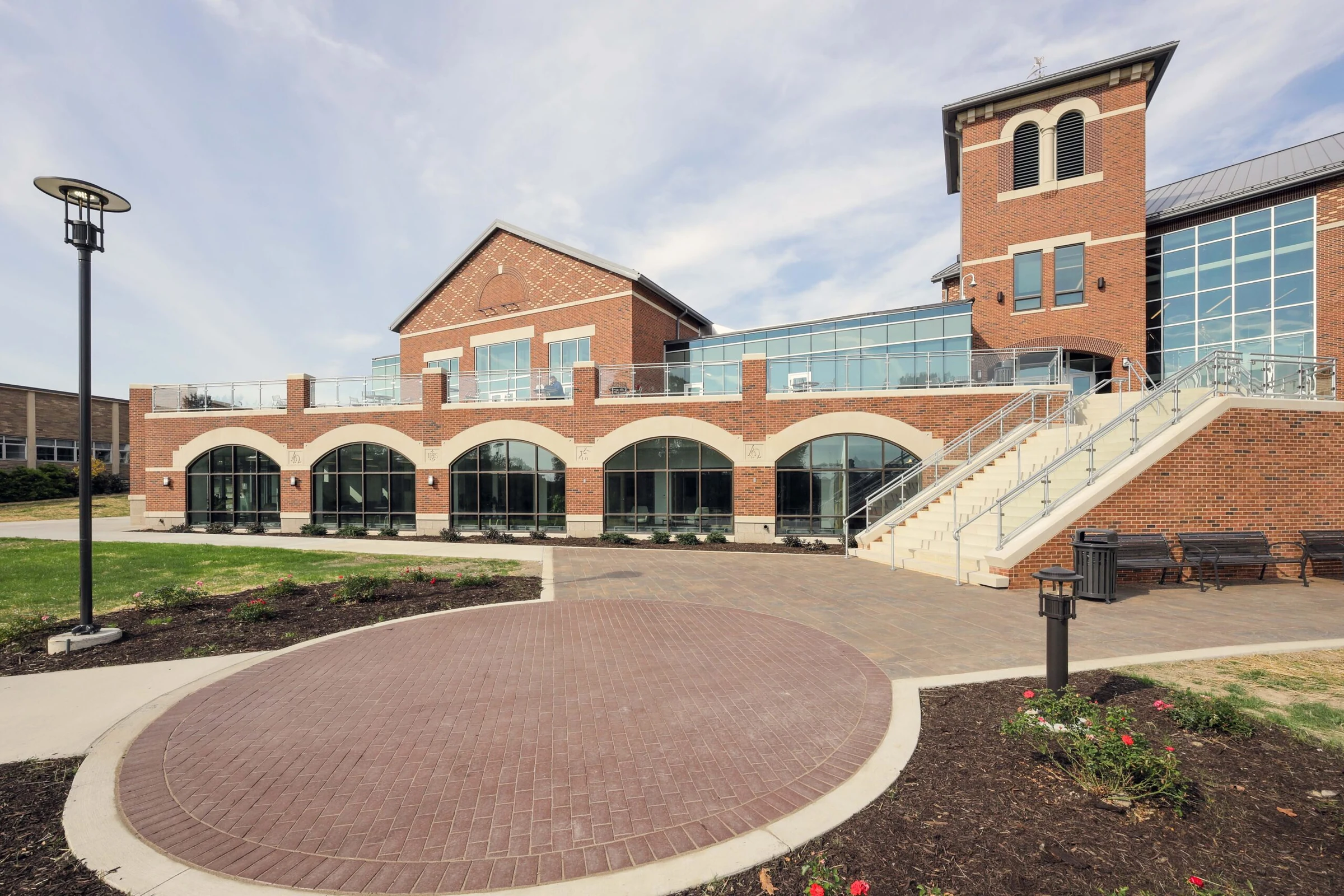
Millcreek, General McLane out in Edinboro, Fort LeBoeuf, Northwestern, and the smaller districts around Corry, North East, and Union City all run building stock that mixes decades-old classroom wings with newer gymnasium and cafeteria additions, and every one of those districts faces the same hard deadline: roof work has to wrap up before students and staff are back in the building. We scope school district roofing around that summer window first, because a project that isn't finished by the first day of school becomes the district's problem in a way that has nothing to do with roofing.
Gymnasiums and Auditoriums Carry the Widest Spans
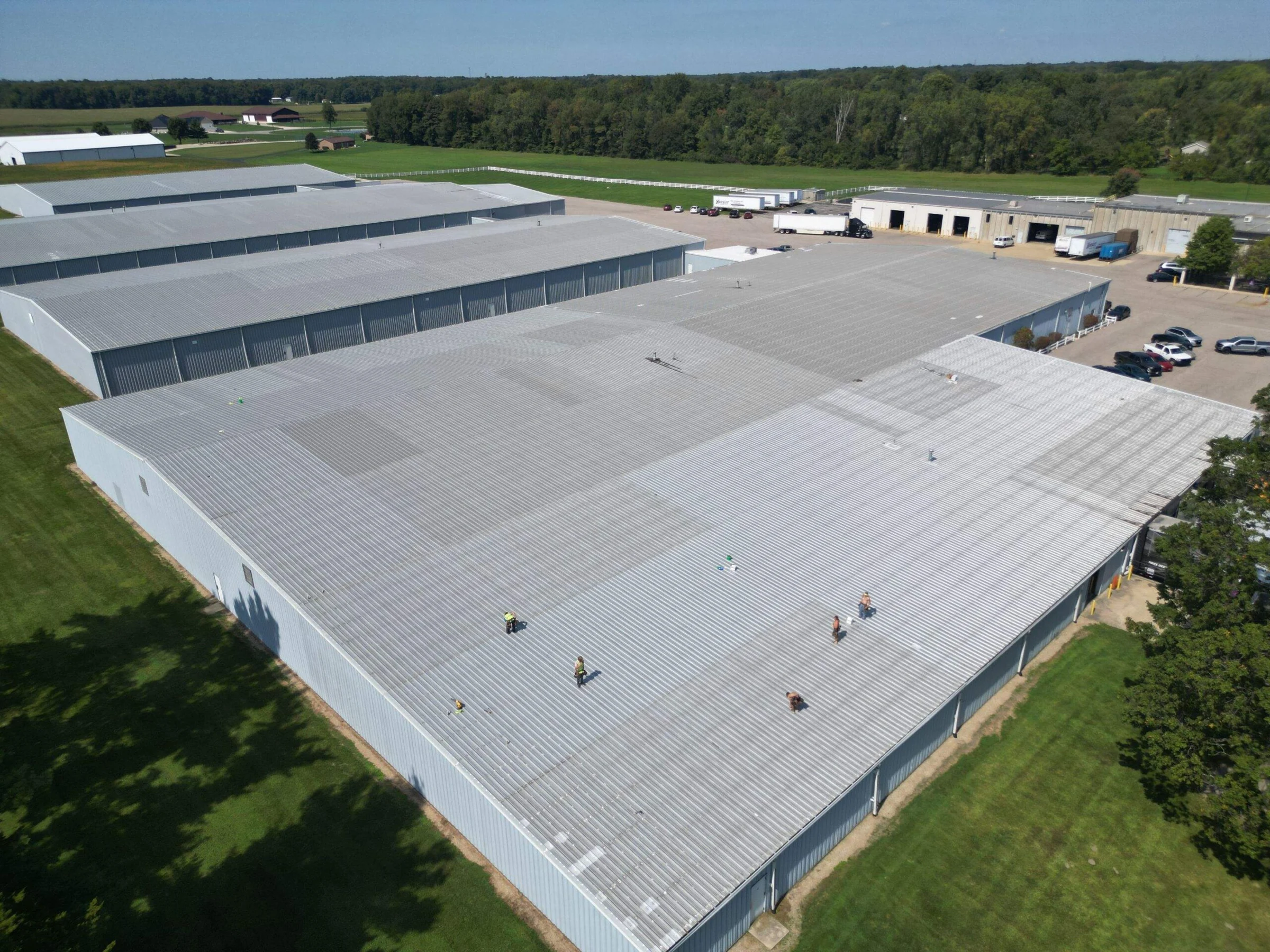
A school's gymnasium or auditorium roof almost always spans wider than any classroom wing, which means less structural redundancy and more exposure to wind and snow load concentrated over open space with high ceilings below. Heat rises into that open volume and sits against the roof deck differently than it does in a normal classroom, and insulation performance on a gym roof has a direct effect on how much the district spends heating a space that's often used for evening and weekend community events beyond the school day.
We treat gym and auditorium roofs as their own scope item during a district-wide assessment rather than folding them into a blanket classroom-wing spec, since the span, the heat behavior, and the snow load pattern all differ enough to matter.
Classroom Comfort Ties Directly to Learning Conditions
A classroom that runs cold near the windows in January or stuffy and humid in early September goes beyond a comfort complaint, it affects how teachers can run a room and how students focus, and that puts pressure on facilities directors to trace and fix roof-related comfort issues fast. We check insulation continuity at classroom-wing roof edges specifically because that's where thermal bridging most often shows up as a cold row of desks near the exterior wall, a pattern teachers report to building principals long before it reaches facilities.
- Cold classrooms along exterior-facing rows despite HVAC running normally
- Ceiling tile staining in gymnasiums or cafeterias after heavy snow events
- Ponding on flat sections of older classroom wings with outdated drainage
- Ice damming above entryways or covered walkways connecting building sections
- Membrane wear concentrated around rooftop units serving cafeteria kitchen exhaust
- Insulation gaps at additions where newer construction ties into original roof lines
Energy Costs as a Share of District Operating Budget
Utility costs sit inside a district's general operating budget in a way that draws board-level scrutiny, especially in smaller districts around Corry and Union City where enrollment and tax base don't leave much room for cost overruns. A roof recover that meaningfully improves insulation performance on a large-footprint building like a high school or middle school shows up in the district's utility line within a season or two, and we build that projection into our proposals because a school board evaluating competing capital requests needs a number, not a general claim about efficiency.
Working Around a School Calendar Beyond the Summer Window
Beyond the main summer window, districts have in-service days, testing weeks, and evening community events in gymnasiums that shift the available work windows even during the school year for smaller repairs. We coordinate directly with facilities directors on the district's actual calendar, including community use of gym and cafeteria space, rather than assuming every building sits empty and available outside the school day.
Cafeteria and Kitchen Exhaust Add Their Own Load
Kitchen exhaust systems serving a cafeteria push heat and grease-laden air through rooftop equipment that needs different flashing and maintenance access considerations than a standard HVAC curb, and the insulation around those penetrations sees more thermal cycling than the rest of the field. We flag kitchen exhaust zones for closer inspection on school buildings, since that's typically where we find the earliest membrane wear on an otherwise sound roof.
Phasing a Multi-Building District Roof Plan
A district with several aging school buildings rarely has one summer's budget to cover them all, so we help facilities directors build a multi-year phased plan prioritized by roof condition and energy-cost impact, giving the district something concrete to present at budget season rather than reacting building by building as roofs fail. Phasing by recover where insulation is dry, and reserving full replacement for buildings where a moisture scan shows it's necessary, keeps the district's capital plan realistic against its actual budget.
Questions School Facilities Directors Ask Us
Can you guarantee the work is done before the first day of school?
We scope the project timeline against your specific calendar from the start and flag early if a building's condition means it needs to be prioritized to guarantee completion before students return.
Do gymnasium roofs really need different treatment than classroom wings?
Yes. Wider spans, different heat behavior, and heavier community-event use all change how we scope insulation and drainage on a gym roof compared to a standard classroom section.
How do you help us make the case for a roof project to the school board?
We provide an energy-cost projection comparing current roof performance to what a recover or replacement would deliver, so the board has a concrete number alongside the roof condition report.
Can smaller repairs happen during the school year?
Yes, we coordinate with facilities directors around in-service days, testing periods, and evening building use so smaller repair work doesn't disrupt students or scheduled community events.
How often should district buildings be inspected?
Twice yearly at minimum, ideally once before the school year starts and once mid-winter, with kitchen exhaust and gymnasium zones checked more closely given the wear they typically show first.
Ready to review the roof scope?