-
Government and Municipal Roofing in Erie, PA
Municipal Roofs Where Every Dollar Answers to a Public Budget
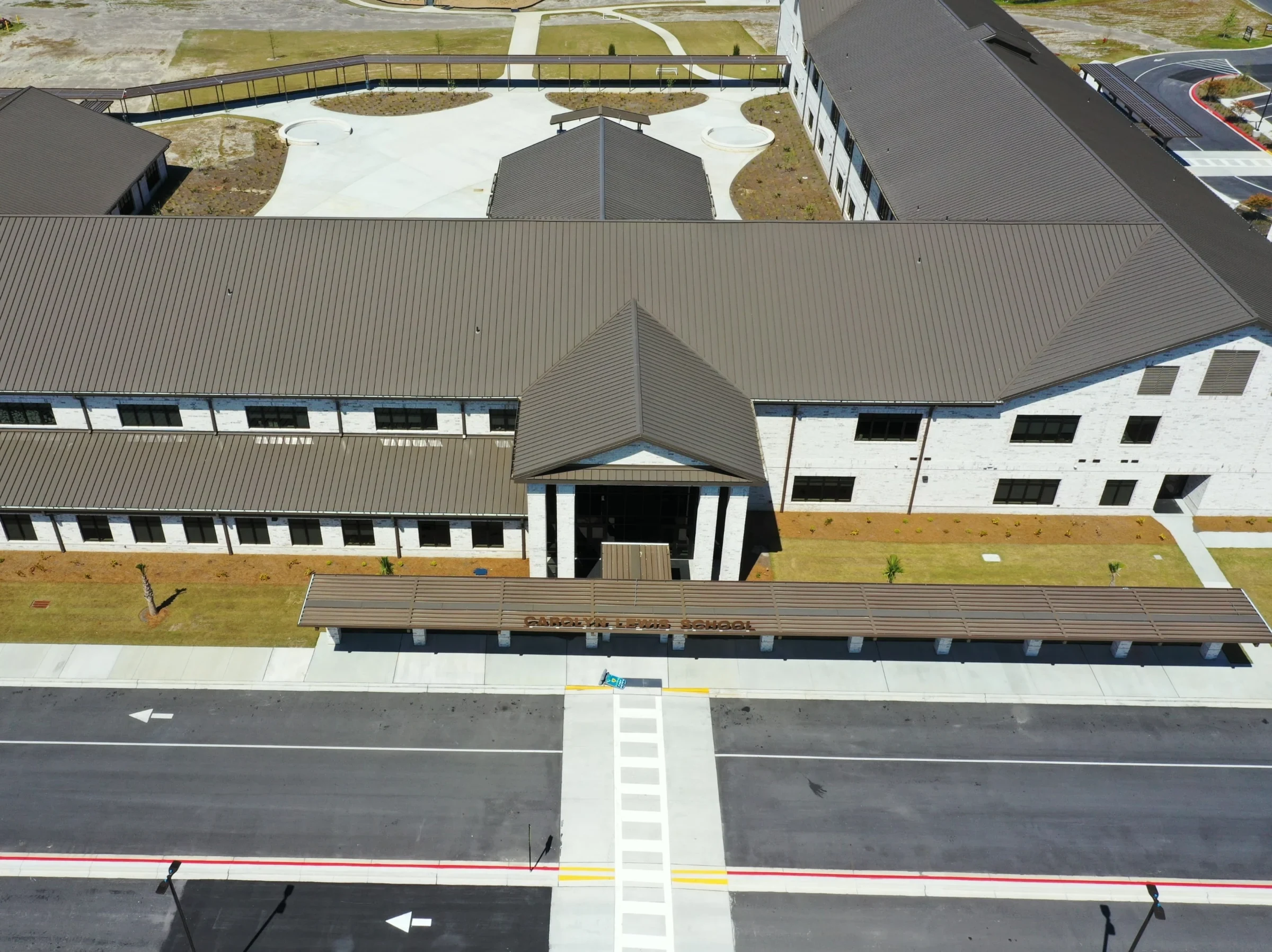
Millcreek, Summit Township, Harborcreek, and the smaller boroughs scattered through the county each maintain a mix of township offices, public works garages, libraries, and community buildings, most of them older structures that have gone through a patchwork of repairs over the decades rather than a single planned reroof. A municipal facilities manager doesn't get to make a roofing decision the way a private property owner does. Every dollar spent gets weighed against a public budget, and that changes how we scope and present a project from the start.
Aging Insulation on Buildings That Predate Current Energy Codes
A lot of township and borough buildings around Erie County were built or last reroofed decades before current insulation standards, and the gap between what's up there now and what a modern roof assembly would carry shows up directly in heating costs that come out of a public budget every winter. Township supervisors and public works directors increasingly ask us to quantify that gap in dollars, rather than describe it in general terms, because a number they can put in a budget memo moves a roof project forward faster than a vague statement about roof age.
We provide that comparison as part of our assessment on municipal buildings specifically, laying out current insulation performance against what a recover or replacement would deliver, so the energy-cost case stands on its own in a public meeting.
Public Bid Processes and Realistic Scheduling
Municipal roofing work typically moves through a public bid process with its own timeline, documentation requirements, and prevailing wage considerations that private commercial work doesn't carry. We build our proposals to fit that process rather than asking a township to adapt its procurement to a standard commercial timeline, and we're upfront about what documentation and specification detail a public works department needs to take a project out to bid correctly the first time.
- Visible ice damming at parapets on older township office and garage buildings
- Interior heating costs trending up year over year without a clear cause
- Ponding on flat sections of public works garages with outdated drainage layouts
- Membrane patches from prior repairs showing separation or new leaks nearby
- Insulation visibly compressed or missing where past repairs cut corners on budget
- Drafts reported near roof-to-wall transitions in occupied library or office space
Public Works Garages Carry Their Own Wear
Township and borough public works garages store plow trucks, salt, and equipment under roofs that see heavy interior humidity from wet vehicles and equipment cycling in and out through large bay doors all winter. That moisture load behaves similarly to what we see in light industrial buildings, and insulation and vapor performance in these garages needs the same attention we'd give a manufacturing bay, even though the building reads as a simple pole-barn-style structure from the outside.
Libraries and Community Buildings Serve the Public Directly
A leak or a comfort problem in a township library or community center is visible to residents in a way that a leak in a back-office building isn't, and that public visibility raises the stakes on getting repairs handled promptly and correctly. We prioritize these public-facing buildings for faster response scheduling when a problem comes in, since a closed library reading room or a visibly water-stained ceiling in a community meeting room becomes a public relations issue for township leadership rather than a routine maintenance ticket.
Phasing Capital Projects Across Fiscal Years
Most municipal capital budgets don't have room to fund a full roof replacement on every aging building in a single fiscal year, so we help public works directors phase larger projects across budget cycles, prioritizing by roof condition and by which buildings carry the highest ongoing repair and energy cost. A phased plan gives a township supervisor something concrete to bring to a budget hearing year over year instead of an open-ended maintenance line item.
Insurance and Storm Documentation for Public Assets
When a storm damages a municipal roof, the documentation trail matters as much for public insurance and any available disaster assistance process as it does for private commercial claims. We document storm damage thoroughly at the time of inspection, giving township officials the paper trail they need to work through whatever process applies to a public asset, without promising a specific claim outcome.
Questions Township and Borough Officials Ask Us
How do you structure a proposal to fit our public bid process?
We prepare specification detail and documentation matched to what your procurement process requires, so the project can go out to bid correctly without a second round of revisions.
Can you quantify the energy savings from a roof upgrade for a budget presentation?
Yes. We compare current insulation performance against what a recover or replacement would deliver and put that in terms a public works director can present at a budget hearing.
How do you prioritize which municipal building gets attention first?
By roof condition, ongoing repair frequency, and energy-cost impact, then we help you phase the rest across fiscal years so the plan holds up year over year.
Do public works garages need different roofing than office buildings?
Often, yes. The interior humidity from vehicles and equipment moving through bay doors behaves like a light industrial environment, and insulation and vapor detailing should reflect that.
How often should aging municipal buildings be inspected?
Twice yearly is standard, with additional checks after significant snow or wind events, especially on buildings with a history of patched repairs rather than a full roof replacement.
Ready to review the roof scope?