-
Holcim Elevate Roofing Systems in Erie, PA
Holcim Elevate: EPDM Heritage Under a New Name
Holcim Elevate is the current name for what was Firestone Building Products for decades, one of the original manufacturers responsible for putting EPDM on commercial roofs across the country in the first place. That heritage matters directly in Erie, where a substantial share of older industrial and plastics-sector buildings are still running EPDM roofing installed under the Firestone name, now supported and documented under the Elevate brand.
From Firestone to Elevate
The rebrand from Firestone Building Products to Elevate followed a change in corporate ownership, and while the name on the product line changed, the underlying membrane manufacturing and product categories carried forward. For a building owner with an older Firestone-labeled EPDM roof, warranty and technical documentation questions now route through Elevate, which is worth knowing before assuming an older roof's paperwork is out of date or unsupported.
We keep that naming history straight specifically because it comes up on inspection walks of older Erie buildings, where roof labels, membrane markings, or old paperwork still reference Firestone rather than the current brand name.
It also matters when a building changes hands and the new owner inherits roof documentation with a manufacturer name that no longer matches anything searchable online. We help trace that paperwork back to current Elevate records rather than treating an older Firestone warranty as a dead end.
EPDM Product Depth
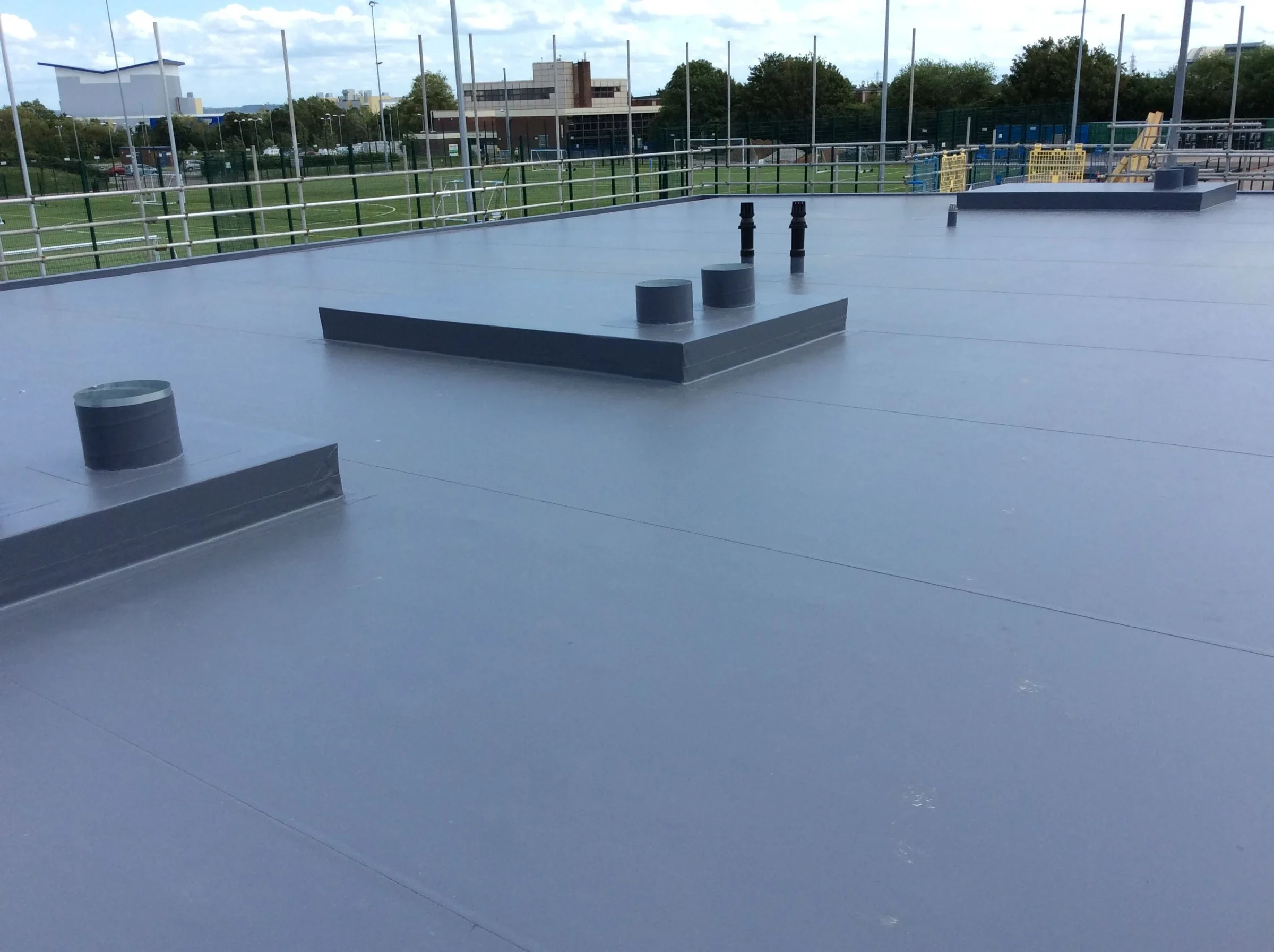
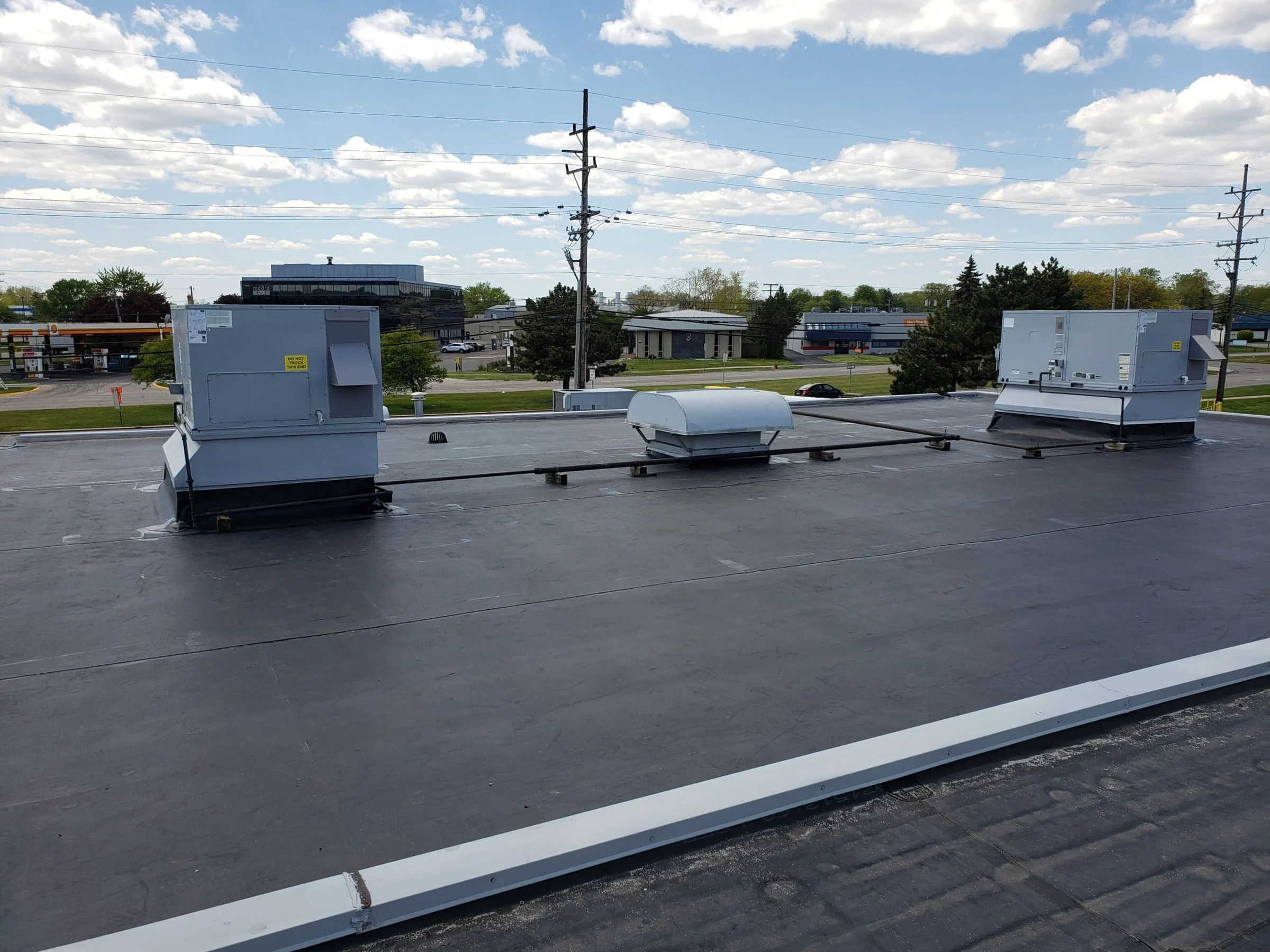
Elevate's EPDM line remains one of the most established in the industry, covering standard black membrane, reflective white membrane, and fleece-backed versions for adhesive-set recover work, along with the splice tape and flashing accessory systems developed over decades of field use. On Erie's plastics-corridor manufacturing buildings, many of which have run EPDM for their entire roofing history, staying within that established product and detailing library often makes practical sense for repair and recover work.
The company's long EPDM manufacturing history also means its technical documentation for older installed systems tends to be relatively complete, useful when we're trying to match repair materials to an existing roof of unknown exact age.
TPO and Broader Single-Ply Line
Elevate also manufactures TPO membrane, entering that market later than its EPDM line but building out standard thickness options and reflective formulations that compete directly with other major single-ply manufacturers. For newer projects where TPO fits the building better than EPDM, whether for reflectivity, seam-weld characteristics, or owner preference, Elevate's TPO line is one of several we evaluate on the same technical criteria.
- Standard black EPDM membrane for repair, recover, and new installation
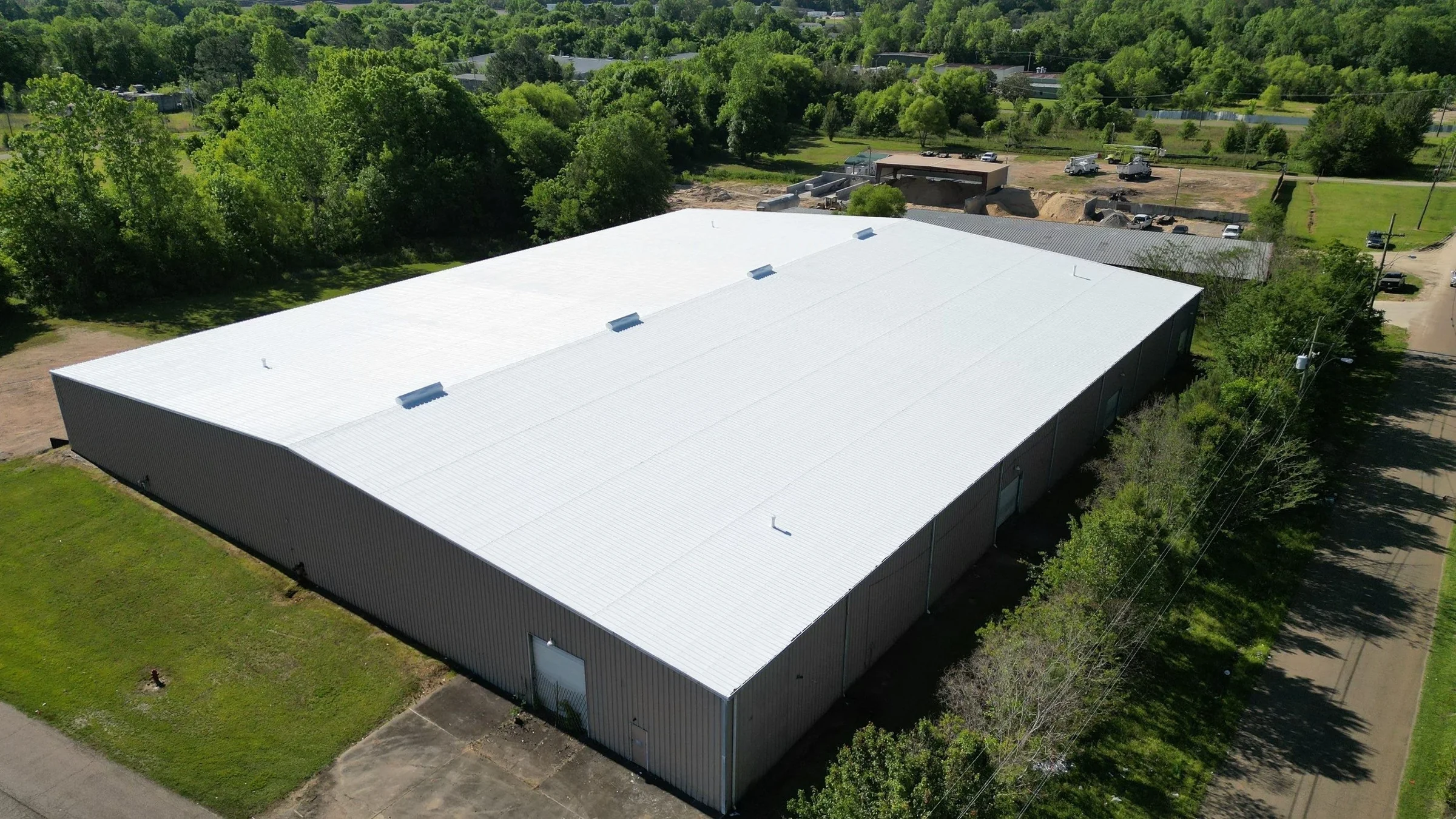
- Reflective white EPDM for buildings prioritizing summer cooling performance
- Fleece-backed EPDM for adhesive-set recover over existing roofing
- TPO single-ply membrane in multiple thicknesses
- Splice tape, flashing, and accessory systems developed alongside the EPDM line
- Insulation and fastening components sized to specific deck and membrane combinations
That product range gives flexibility on a mixed portfolio of buildings, some staying in the EPDM family for compatibility with existing roofing, others moving to TPO where that fits the project better.
Matching Repair Materials to Older Installed Roofs
One practical benefit of a manufacturer with this much EPDM history is materials compatibility on repair work. An EPDM roof installed fifteen or twenty years ago under the Firestone name can often still be repaired with current Elevate splice tape and flashing materials designed to bond properly with the aged membrane, which isn't guaranteed when mixing manufacturers on a repair.
We confirm that compatibility before recommending repair materials on any older EPDM roof, since an incompatible splice or flashing material can fail faster than the surrounding original membrane, undermining the repair's purpose.
That check matters most on a plastics-corridor building where the membrane has also been exposed to years of process exhaust, since an aged, chemically weathered sheet doesn't always bond the same way a newer test panel would.
Evaluating Elevate Against Other Manufacturers
Elevate's EPDM depth weights it toward projects where that membrane family is the right fit, older buildings with established EPDM roofing, chemical exposure profiles suited to rubber membrane, or owners with a preference for that system's long field track record. Its TPO line is evaluated on the same basis as any other manufacturer's single-ply product for projects where TPO is the better technical fit.
As with any manufacturer, we review current technical data sheets and warranty terms for the specific product and assembly under consideration rather than relying on brand history alone to answer a building-specific question.
Frequently Asked Questions
Is Elevate the same company as Firestone Building Products?
Elevate is the current name for the business previously operating as Firestone Building Products, following a change in ownership, with the underlying manufacturing and product lines continuing forward.
Will an old Firestone warranty still be honored under the Elevate name?
Warranty continuity depends on the specific terms and documentation from the original installation, which we help review against current Elevate warranty administration when questions come up.
Does Elevate still manufacture standard black EPDM?
Yes, black EPDM remains an active current product alongside reflective white and fleece-backed versions.
Can current Elevate materials repair an older Firestone-branded roof?
Often yes, since the membrane chemistry has continuity across the name change, but we confirm compatibility for the specific membrane age and condition before specifying repair materials.
How does Elevate's TPO compare to its EPDM line in terms of company history?
EPDM is the company's original and more established product category; TPO was added to the line later and is evaluated on current technical merits rather than long-term field history.
Ready to review the roof scope?